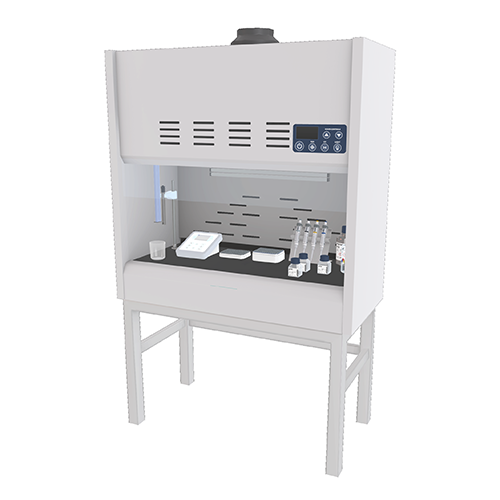
In addition to mastering sterile cell culture, it is essential that scientists new to research and manufacturing develop the ability to prepare their own solutions and reagents that are safe and effective. Most importantly, the formulas should produce consistently high quality results during cell maintenance, assays and analysis. While specific recipes and methods for buffers and reagents may vary across laboratories, the underlying principles are universal. These include accurately weighing solids, measuring chemicals, preparing stock solutions and adjusting pH using acids or bases.
Why biochemistry training is important?
Virtual training protocols provide users with the opportunity to practice these techniques in a risk-free environment. It allows them to gain confidence in fundamental biochemistry skills that they may not yet have fully developed. This training acts as an important first step toward strengthening laboratory competencies and bridging the gap between theory and real-world practice. The preparation of solutions and buffers is a routine yet critical task that laboratory staff are often expected to perform with minimal instruction, typically learning only through basic exposure to equipment such as analytical balances and pH meters. By simulating these procedures, virtual training ensures learners build both the competence and confidence to apply these skills independently in the lab.
*You will need a valid license and access to the EC desktop application to import this file. For information on how to get an app license, contact us here.
Learning Objectives
Understand the proper technique for weighing powders and measure liquids.
Practice combining powders and liquids to create new solutions and buffers.
Learn how to follow biochemistry and cell culture SOPs.
Apply health and safety, pipetting and weighing training to each protocol.